Jul. 31, 2026
Hotels and resorts are no longer evaluated only by room size, location, or interior style. Modern guests increasingly pay attention to the quality of the bathroom, the level of privacy, and the wellness experience available during their stay. A well-designed massage bathtub can transform an ordinary guest bathroom into a relaxing space that supports comfort, recovery, and premium brand positioning.
For hotel developers, resort operators, architects, and sanitary ware buyers, massage bathtubs are not simply decorative bathroom products. They can be used to differentiate room categories, support spa-oriented services, increase the perceived value of suites, and create memorable guest experiences.
However, selecting a massage bathtub for a hospitality project requires more consideration than choosing a bathtub for a private home. Buyers must evaluate room layout, bathing comfort, jet configuration, water consumption, cleaning access, installation conditions, maintenance requirements, noise levels, and long-term operating costs.
This guide explains the main massage bathtub applications in hotels and resorts, along with the factors procurement teams should consider before placing a project or wholesale order.
A massage bathtub is a bathtub equipped with water jets, air jets, or a combination of both. These systems create a hydromassage effect by moving water or air around the body during bathing.
Depending on the bathtub design, the massage system may include:
Water massage jets
Air bubble outlets
Adjustable jet direction
Variable massage intensity
Digital or pneumatic controls
Underwater lighting
Water heating or temperature-maintenance functions
Ozone disinfection
Automatic pipe-cleaning systems
Waterfall inlets or neck massage features
Massage bathtubs are available in freestanding, corner, drop-in, built-in, rectangular, oval, round, and double-person configurations. This allows hotel designers to select a model according to the bathroom dimensions, interior style, room category, and target guest profile.
Hospitality bathrooms have become an important part of the guest experience. A standard bathtub provides basic bathing functionality, while a massage bathtub offers a stronger sense of comfort and exclusivity.
Hotels and resorts commonly use massage bathtubs to achieve several objectives.
After a long journey, business meeting, outdoor activity, or sightseeing schedule, many guests appreciate the opportunity to relax in a private hydromassage bath.
The combination of warm water and massage jets can create a more soothing bathing experience than a conventional tub. This makes massage bathtubs particularly suitable for properties that emphasize rest, recovery, wellness, or romantic travel.
Hotels frequently use bathroom features to separate standard rooms from higher-priced room categories.
A suite with a large massage bathtub may appear more luxurious than a room with a standard shower or ordinary bathtub. This allows the property to create clearer differences between room types such as:
Standard rooms
Deluxe rooms
Executive rooms
Honeymoon suites
Family suites
Spa suites
Presidential suites
Private villas
The massage bathtub becomes part of the upgrade value rather than just another sanitary fixture.
Wellness tourism continues to influence the design of hotels, resorts, spas, and private vacation properties. Guests may look for facilities that support relaxation, stress reduction, privacy, and physical recovery.
A massage bathtub can complement other wellness facilities, including:
Spa treatment rooms
Saunas
Steam rooms
Fitness centers
Yoga spaces
Cold plunge pools
Swimming pools
Meditation areas
Outdoor hot tubs
For wellness-focused properties, the bathtub should be selected as part of the complete guest journey rather than as an isolated bathroom product.
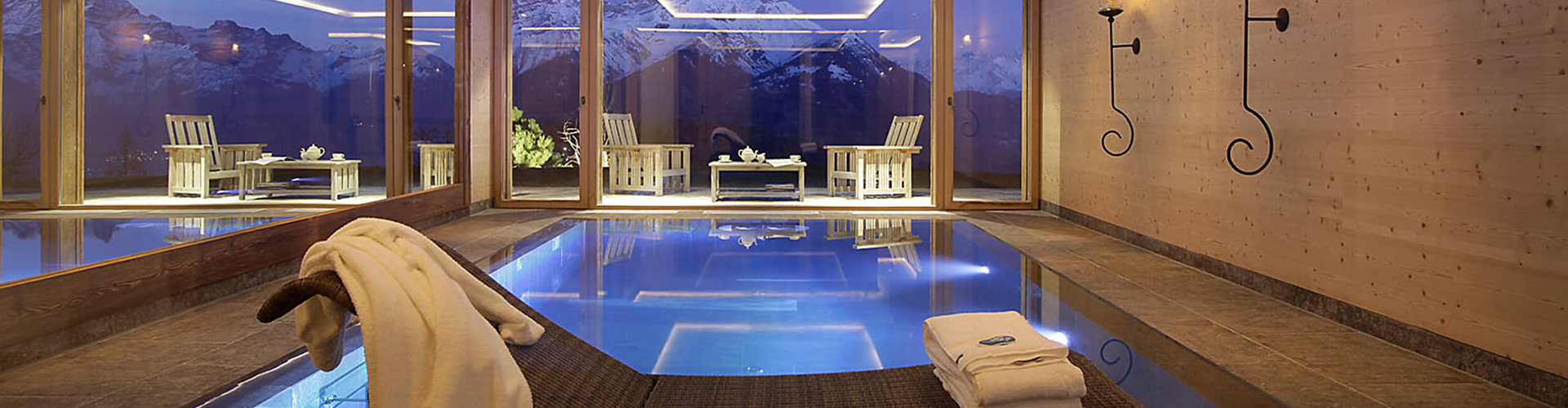
A large oval, round, or corner massage bathtub can become a focal point within a luxury bathroom. When paired with stone surfaces, warm lighting, floor-mounted faucets, large windows, or natural landscape views, it can significantly strengthen the visual appeal of the room.
This visual value is especially important for resort marketing. Bathrooms with attractive bathtubs are often featured in room photography, booking pages, social media content, and travel reviews.

Different hotel areas require different bathtub configurations. The best model for a city business hotel may not be suitable for a honeymoon suite or a large resort villa.
Luxury suites are one of the most common applications for massage bathtubs.
Guests booking premium suites generally expect more space, upgraded facilities, and greater privacy. A massage bathtub can help reinforce the luxury positioning of the room and justify a higher room category.
Suitable options may include:
Freestanding massage bathtubs
Large rectangular whirlpool tubs
Double-ended massage bathtubs
Two-person massage bathtubs
Bathtubs with chromotherapy lighting
Models with neck and back massage jets
For high-end suites, the appearance of the bathtub is as important as the massage function. The exterior shape, surface finish, control panel, faucet style, and placement should all match the interior design.
Massage bathtubs are widely used in honeymoon hotels, romantic resorts, and couples’ suites.
Two-person models are particularly suitable for this application. These bathtubs typically offer a wider interior, symmetrical backrests, and centrally positioned drains so that two users can sit comfortably.
Designers may combine the bathtub with:
Panoramic windows
Ambient lighting
Flower decoration
Privacy screens
Open-plan bedroom layouts
Scenic balconies
Waterfall inlets
Mood lighting systems
For these rooms, buyers should pay attention to the internal dimensions rather than relying only on the external bathtub size. The backrest angle, jet placement, water depth, and distance between seating positions all affect the user experience.
Some hotels offer rooms specifically designed around wellness and relaxation. These may include private massage facilities, aromatherapy, sauna rooms, steam showers, or in-room fitness equipment.
A massage bathtub in a spa suite may need more advanced functions than a standard hotel model.
Common options include:
Multiple massage zones
Adjustable water pressure
Air bubble massage
Heated air systems
Ozone sterilization
Automatic circulation cleaning
Underwater LED lighting
Digital temperature display
Anti-dry-running protection
For these applications, ease of maintenance is especially important because the bathtub may be used frequently and must be cleaned thoroughly between guests.
Massage bathtubs are less common in standard business hotel rooms, but they may be installed in executive rooms and premium suites.
Business travelers often value convenience, quiet operation, and fast relaxation. A compact massage bathtub may therefore be more suitable than an oversized spa tub.
The selected model should offer:
Simple controls
Fast filling and drainage
Low operating noise
Easy cleaning
Reliable massage performance
Compact dimensions
Accessible maintenance panels
Complex features may not be necessary unless the hotel is positioned in the luxury segment.
Extended-stay guests spend more time in the room and may use bathroom facilities more frequently than short-stay travelers.
A durable acrylic massage bathtub can add comfort to premium serviced apartments, especially those targeting executives, families, or long-term international guests.
For these projects, buyers should prioritize:
Durable surface materials
Reliable pumps and controls
Easy access to spare parts
Simple maintenance procedures
Water-efficient design
Standardized installation dimensions
Using the same bathtub model across multiple units can simplify maintenance, staff training, and spare-parts management.
Massage bathtubs for accessible rooms require careful planning. A standard deep bathtub may not be suitable for guests with limited mobility.
Where local regulations and project requirements permit, hotels may consider:
Low-entry massage bathtubs
Walk-in massage bathtubs
Integrated seating
Grab-bar compatibility
Anti-slip surfaces
Easy-reach controls
Hand shower systems
Emergency drainage features
Accessibility requirements vary by market, so the bathtub must be evaluated together with local building codes, hotel design standards, and guest safety considerations.
Resorts often have more space and greater design flexibility than urban hotels. This creates additional opportunities for integrating massage bathtubs into guest rooms and private outdoor areas.
At beach resorts, massage bathtubs are frequently used in ocean-view suites, honeymoon rooms, and private villas.
The bathtub may be installed near a large window or terrace to create a stronger connection with the surrounding landscape. However, coastal environments may expose bathroom components to higher humidity and salt in the air.
Buyers should therefore consider:
Corrosion-resistant fittings
Moisture-resistant electrical components
Durable surface finishes
Reliable sealing
Ventilated installation spaces
Easy-to-replace accessories
The bathtub should also be simple to clean because sand and sunscreen residue may enter the bathing area.
Mountain resorts often emphasize quietness, privacy, warm bathing, and connection with nature.
A deep massage bathtub can provide a comfortable experience after hiking, skiing, cycling, or other outdoor activities. Models with strong back and leg jets may be suitable for properties that promote physical recovery.
The bathtub can be placed:
Beside panoramic windows
Near fireplaces
In private wooden cabins
In stone-finished bathrooms
On enclosed terraces
Inside wellness villas
Good heat retention becomes especially important in colder locations.
Guests at ski resorts may value warm-water massage after spending time in cold outdoor conditions.
For this application, hotel buyers should consider massage bathtubs with:
Deep soaking capacity
Effective insulation
Comfortable back support
Reliable water heating
Strong drainage performance
Anti-slip entry areas
Stable temperature controls
Installation teams should also ensure that pipes and mechanical components are protected from low temperatures.
Golf resorts often attract guests seeking leisure, recovery, and extended stays. Massage bathtubs can be installed in premium rooms, club villas, and spa suites.
Back, waist, and leg massage zones may be particularly relevant for guests who want to relax after playing golf.
For this market, the bathtub design should remain elegant and easy to operate. Too many visible controls or technical elements may conflict with the desired interior style.
Wellness resorts, rehabilitation hotels, and medical tourism facilities may use massage bathtubs as part of broader relaxation or hydrotherapy-oriented services.
However, a hotel massage bathtub should not automatically be presented as a medical treatment device. Any therapeutic claims must match the product’s certification, intended use, and local regulations.
For wellness applications, procurement teams should focus on:
Stable water circulation
Adjustable massage intensity
Hygienic pipe systems
Easy disinfection
Safe entry and exit
Clear operating instructions
Reliable temperature control
Professional maintenance support
Private resort villas usually provide more floor space and greater privacy than standard hotel rooms. This makes them suitable for large freestanding or two-person massage bathtubs.
Some villas may use the bathtub as part of an open-plan bathroom connected to the bedroom, garden, terrace, or private pool.
Possible configurations include:
Indoor freestanding massage tubs
Sunken massage bathtubs
Corner whirlpool tubs
Outdoor covered massage bathtubs
Large two-person spa tubs
Massage bathtubs with panoramic views
For outdoor or semi-outdoor installation, the manufacturer should be informed about the environment so that appropriate materials and electrical protection can be considered.
A massage bathtub can affect both the guest experience and the commercial positioning of a property.
Guests often associate massage bathtubs with premium accommodation. Even when the room size is similar, a better-equipped bathroom can make a suite feel more exclusive.
Hotels can use bathtub features to create more distinct room categories. This may make it easier to communicate the benefits of upgrading.
An attractive massage bathtub can improve room photography and help a property stand out on booking platforms, travel websites, and social media.
For resorts promoting relaxation, recovery, or romantic travel, a massage bathtub supports the overall brand message.
Guests may not remember every piece of furniture in a hotel room, but they often remember distinctive features such as a scenic bathtub, private spa area, or large whirlpool tub.
The correct selection process should begin with the project requirements rather than the bathtub appearance.
The bathtub specification should match the room’s market position.
A standard executive room may need a compact, simple model, while a presidential suite may require a larger two-person bathtub with more advanced functions.
The buyer should provide accurate bathroom drawings, including:
Available length and width
Doorway dimensions
Elevator dimensions
Floor level
Drain location
Water inlet position
Electrical supply
Maintenance access
Faucet location
A bathtub that fits inside the bathroom may still be impossible to transport through the hotel corridor, elevator, or doorway.
Acrylic is widely used for hotel massage bathtubs because it offers a smooth surface, flexible shaping, relatively low weight, and straightforward maintenance.
Other options may include solid surface materials, stone resin, and composite structures.
The material affects:
Product weight
Surface appearance
Heat retention
Repairability
Transportation costs
Installation requirements
Wholesale price
The number of jets alone does not determine massage quality. Buyers should also consider:
Jet position
Jet direction
Pump capacity
Air and water mixing
Control method
Massage zones
Noise level
Pipe layout
Cleaning design
A bathtub with fewer well-positioned jets may provide a better experience than a model with many poorly arranged jets.
Large massage bathtubs require more water to fill. They may also require additional energy to maintain water temperature or operate pumps.
Hotel buyers should evaluate:
Usable water capacity
Filling time
Drainage time
Pump power
Heater power
Expected frequency of use
Local water costs
Local energy costs
Oversized bathtubs should not be installed simply for visual impact if the operating cost is unsuitable for the property.
Pump and air-blower noise can affect guest comfort, especially in quiet resorts and hotels with limited sound insulation between rooms.
The project team should ask about:
Pump noise
Blower noise
Vibration control
Base stability
Pipe vibration
Installation insulation
Correct installation is essential because even a quiet pump may produce noticeable noise if the bathtub is not supported properly.
Massage bathtubs contain pumps, pipes, jets, electrical controls, and drainage components. Maintenance access must be planned before installation.
Depending on the model, access may be provided through:
Removable side panels
Inspection openings
Adjacent wall access
Floor access
Detachable skirts
Installing a built-in massage bathtub without a maintenance opening can create significant repair difficulties later.
Hotel bathtubs must be cleaned between guests, making hygiene one of the most important procurement considerations.
Massage bathtub pipework may retain small amounts of water after use. Without proper cleaning, residue can accumulate in the circulation system.
Hotels should select models with suitable hygiene features, such as:
Self-draining pipes
Automatic pipe flushing
Ozone disinfection
Accessible jet covers
Smooth internal surfaces
Removable filters
Easy-clean controls
Housekeeping teams should receive clear cleaning instructions from the supplier.
Safety should be considered during both product selection and bathroom design.
Recommended features may include:
Anti-slip bathtub floor
Overheating protection
Pump dry-run protection
Electrical leakage protection
Rounded edges
Stable base support
Secure drain connections
Clearly marked controls
Temperature limitation
Emergency power isolation
The complete installation must follow local electrical and plumbing regulations. Because massage bathtubs combine water and electrical components, installation should be completed by qualified professionals.
Both configurations can work well, but they serve different project needs.
Freestanding models provide a strong visual impact and flexible placement. They are suitable for large bathrooms, luxury suites, honeymoon rooms, and private villas.
Advantages include:
Modern appearance
Strong marketing value
Flexible positioning
Easier floor-level installation
Attractive exterior design
However, buyers must ensure that the pump, pipes, and access panels are integrated without affecting the overall appearance.
Built-in models are installed inside a platform, surround, or prepared bathroom structure.
Advantages include:
Easier integration with bathroom surfaces
Greater flexibility for mechanical access
Additional storage or seating around the tub
Better suitability for certain corner layouts
More stable visual integration
Built-in installation requires closer coordination between the bathtub supplier, interior designer, plumbing contractor, and construction team.
Hotels and resorts may require customized specifications to match room design and operating requirements.
Common options include:
Bathtub size
Acrylic thickness
Exterior shape
Interior depth
Color and finish
Jet quantity
Jet location
Pump specification
Air massage system
Control panel
Drain position
Overflow position
Faucet holes
Hand shower
Waterfall inlet
LED lighting
Headrests
Grab bars
Hotel logo
Product labels
Export packaging
Customized molds may require higher order quantities and longer development schedules than standard models. Project buyers should confirm mold costs, sample approval procedures, production lead time, and ownership of custom tooling.
Before mass production, buyers should establish clear inspection standards.
Important inspection items include:
The bathtub should be checked for scratches, cracks, bubbles, color differences, deformation, and polishing defects.
The tub, drain, overflow, jets, pipes, and connectors should be tested for leakage.
The pump, blower, jets, switches, control panel, lighting, and heater should operate correctly.
Water should drain efficiently without excessive retention inside the bathtub or circulation pipes.
Electrical components should match the required project standards and market regulations.
External dimensions, drain position, faucet holes, and maintenance openings should match approved drawings.
The carton, foam protection, wooden support, accessory box, and product labels should be checked before shipment.
Massage bathtubs contain more components than standard bathtubs and require suitable export protection.
A typical package may include:
Protective film
Foam padding
Reinforced carton
Corner protectors
Wooden frame or pallet
Separate accessory box
Moisture-resistant labels
Installation manual
The supplier should also consider the protection of pumps, control panels, pipes, and protruding fittings.
For large hotel projects, buyers should request a container-loading plan showing:
Bathtubs per container
Package dimensions
Gross and net weight
Loading method
Stacking limitations
Spare-parts placement
Unloading recommendations
Before selecting a supplier, hotel procurement teams should ask:
Which massage systems are available?
What materials are used for the bathtub shell and frame?
Can the jet positions be customized?
What pump and electrical specifications are used?
Which safety certifications are available?
Does the pipe system drain completely?
Is an automatic cleaning system available?
How can the pump be accessed for maintenance?
Which spare parts are supplied?
What is the warranty period?
Can replacement pumps and controls be ordered separately?
What is the minimum order quantity?
Can the supplier produce a project sample?
How are water leakage and function tests completed?
What packaging is used for international shipment?
These questions help buyers compare more than the unit price and reduce the risk of future maintenance problems.
A visually attractive bathtub may not provide comfortable seating, effective massage, or easy maintenance.
Without proper access, replacing a pump or control unit may require removing tiles or damaging bathroom finishes.
Advanced functions increase cost and maintenance complexity. Hotels should choose features that guests are likely to use.
Electrical voltage, plug type, plumbing requirements, and certification standards vary by country.
Pumps, switches, jets, seals, and control panels may need replacement during the hotel’s operating life.
Hotel projects require stronger packaging because products may travel long distances and pass through multiple handling stages.
No. They are most suitable for premium rooms, suites, villas, honeymoon rooms, and wellness-oriented accommodation. Standard rooms may have limited space and lower budget allowances.
Yes. Acrylic is commonly used because it is lightweight, smooth, easy to shape, and available in many sizes and designs. Buyers should still check reinforcement, surface thickness, pump quality, and pipe design.
There is no single ideal number. Jet position and massage coverage are more important than the total quantity. The best configuration depends on the bathtub size and intended massage zones.
Yes. Size, shape, color, jet configuration, controls, lighting, faucet holes, packaging, and branding may be customized depending on the manufacturer and order quantity.
They require more maintenance than standard bathtubs because they include pumps and internal pipes. Models with self-draining systems, removable components, and automatic cleaning functions can simplify hotel maintenance.
Some models can be used in covered or semi-outdoor areas, but the supplier must confirm whether the materials, electrical components, and surface finish are suitable for the environment.
Buyers should provide the quantity, room type, bathtub dimensions, massage functions, material, color, voltage, drainage position, certification requirements, destination, and expected delivery schedule.
Massage bathtubs can play several roles in hotels and resorts. They enhance guest comfort, differentiate premium rooms, support wellness positioning, improve room photography, and strengthen the perceived value of suites and private villas.
The most successful projects do not choose a bathtub based only on shape or price. They evaluate the complete product, including massage performance, internal comfort, hygiene, noise, water capacity, safety, installation access, spare parts, and long-term maintenance.
For hotel developers, resort operators, contractors, and sanitary ware distributors, working with an experienced massage bathtub manufacturer can simplify product selection, customization, quality inspection, packaging, and project delivery. A carefully selected massage bathtub becomes more than a bathroom fixture—it becomes part of the guest experience and the property’s commercial identity.

Hot-Sale Prorudcts
Other News


How to Select Freestanding Tubs for Luxury Villas
Aug. 19, 2026

Is a Freestanding Tub Easy to Clean?
Jul. 31, 2026


Future Development of the Massage Bathtub Industry
May. 29, 2026


Certifications and Standards for Massage Bathtubs
May. 27, 2026


Hydrotherapy Benefits of a Massage Bathtub
May. 25, 2026

Smart Technology in New Massage Bathtubs
May. 22, 2026

Commercial vs Residential Massage Bathtub Buying Guide
May. 21, 2026


Massage Bathtub Solutions for Wellness Centers
May. 19, 2026

How to Select a Massage Bathtub for Small Bathrooms
May. 18, 2026