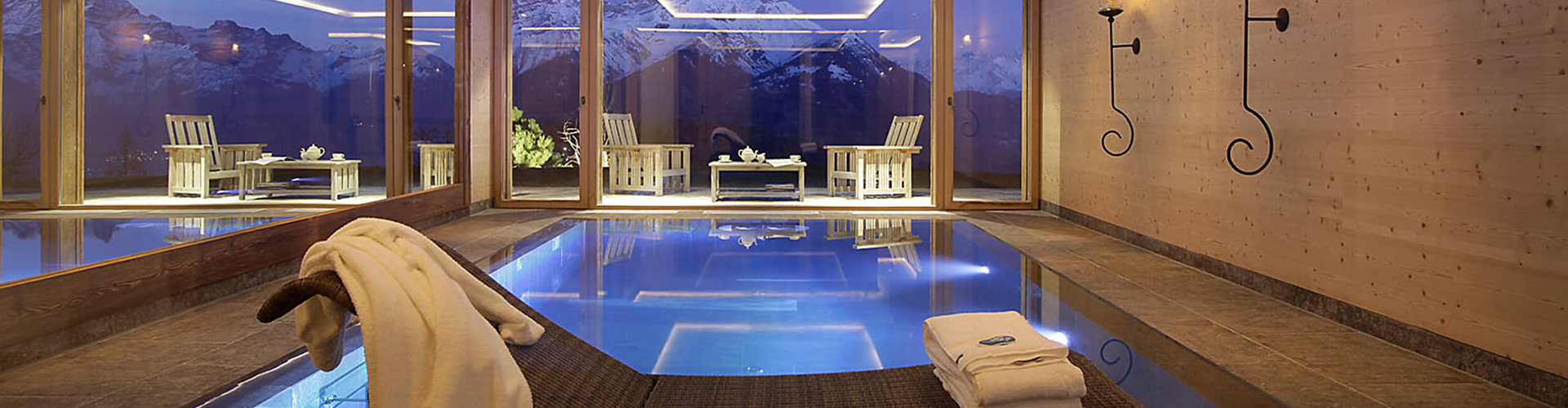
The massage bathtub jet system has become a crucial feature in modern spas and bathrooms, providing therapeutic benefits and promoting relaxation. For both new homeowners and spa enthusiasts, understanding how to leverage this technology can significantly enhance your wellness experience. This article will cover the concept of massage bathtubs, their importance in the industry, the installation requirements, and application scenarios, while also addressing user pain points.
Definition of Massage Bathtub Jet System
The massage bathtub jet system refers to a network of jets installed within a bathtub that delivers targeted water pressure to specific areas of the body. This therapeutic technology is often referred to as hydrotherapy. According to the American Journal of Physiology, hydrotherapy can promote muscle relaxation and improve circulation. The effectiveness of these systems can be quantified; for instance, a study by the National Institutes of Health showed that hydrotherapy can reduce muscle tension by up to 40% after just 15 minutes of use.
Industry Terminology:
- Hydrotherapy: The use of water for therapeutic purposes.
- Localized Water Pressure: The technique of targeting water jets to specific muscle groups for relief.
- Circulation Improvement: Enhanced blood flow, which can lead to better healing and relaxation.
1. Space and Layout Requirements
Proper space planning is the first step in a successful installation.
Minimum Space Allowance
A massage bathtub requires more room than a standard tub due to:
- External pump system access
- Maintenance clearance
- Plumbing connections
- Ventilation space
Recommended clearance:
- At least 30–50 cm around accessible sides
- Extra space for freestanding models
- Adequate ceiling height for vertical comfort and ventilation
Bathroom Layout Considerations
When planning layout:
- Avoid tight corners that block maintenance access
- Ensure proximity to water inlet and drainage points
- Position tub away from direct electrical hazards
- Allow easy access for servicing pumps and jets
In hotels or spa installations, modular bathroom design is preferred for easier maintenance access.
2. Floor Load-Bearing Requirements
Massage bathtubs are heavier than standard tubs, especially when filled with water and a user inside.
Load Calculation Factors
Total weight includes:
- Bathtub weight
- Water capacity (typically 150–400 liters)
- User weight
- Additional accessories or frame structures
Structural Requirements
- Concrete floors are strongly recommended
- Wooden floors may require reinforcement
- Ensure floor load capacity meets building code standards
- Anti-vibration support may be needed for pump operation
For multi-floor buildings, structural engineering confirmation is often required.
3. Plumbing System Requirements
A stable and correctly configured plumbing system is critical for hydrotherapy performance.
Water Supply
- Hot and cold water inlet connection required
- Recommended pipe diameter: standard 1/2 inch or 3/4 inch depending on model
- Stable water pressure is essential for consistent filling
Drainage System
- Must support fast water discharge
- Floor drain recommended for safety overflow
- Anti-backflow valves help prevent contamination
Poor drainage design can lead to water stagnation and odor issues.
Water Quality Considerations
- Hard water may cause mineral buildup in jets
- Water softeners are recommended in high-mineral regions
- Filtration systems improve long-term performance
4. Electrical Installation Requirements
Massage bathtubs require safe and stable electrical supply for pumps, jets, heating systems, and control panels.
Power Supply Standards
- Dedicated electrical circuit recommended
- Grounding (earthing) is mandatory
- Circuit breaker protection required
- Voltage must match manufacturer specifications (commonly 110V or 220–240V)
Safety Protection Systems
Install:
- Residual current device (RCD)
- Waterproof electrical junction boxes
- Proper insulation for all wiring
Moisture Protection
Because bathrooms are high-humidity environments:
- All electrical components must be moisture-resistant
- Control panels should be waterproof rated (IP standards)
- Wiring must be properly sealed and elevated where necessary
5. Ventilation Requirements
Ventilation is often overlooked but critical for long-term performance.
Why Ventilation Matters
Proper airflow helps:
- Prevent mold growth
- Protect electrical components
- Reduce humidity damage
- Extend pump lifespan
Ventilation Solutions
- Exhaust fans
- Natural airflow windows
- Dehumidification systems (for luxury spas)
Poor ventilation can significantly shorten equipment lifespan.
6. Pump and Equipment Placement
Massage bathtubs rely on external or integrated pump systems.
Installation Guidelines
- Pump should be easily accessible for maintenance
- Avoid water exposure to motor components
- Install on vibration-reducing base
- Ensure proper airflow around motor housing
Noise Control Considerations
To reduce operational noise:
- Use rubber anti-vibration pads
- Install sound-insulating panels if needed
- Avoid direct contact between pump and structural walls
7. Jet System Installation Requirements
Jets are central to hydrotherapy performance.
Proper Alignment
- Jets must be securely sealed to prevent leakage
- Internal piping must be properly connected and pressure-tested
- Ensure balanced distribution for full-body massage effect
Testing Requirements
Before final sealing:
- Run water circulation test
- Check for leaks in all jet connections
- Verify uniform water pressure
8. Waterproofing Requirements
Proper waterproofing protects both the bathtub and surrounding structure.
Key Areas to Seal
- Floor surrounding bathtub
- Wall junctions
- Pipe entry points
- Drain connection areas
Recommended Materials
- Waterproof membrane layers
- Silicone sealing compounds
- Anti-mold sealants
Poor waterproofing can lead to structural damage over time.
9. Installation Types and Their Requirements
Built-in Massage Bathtubs
Requires:
- Precise recessed floor or platform
- Tile finishing coordination
- Easy access panel for maintenance
Freestanding Massage Bathtubs
Requires:
- Flat, stable flooring
- Floor-mounted plumbing connections
- Minimal structural modification
Corner Whirlpool Bathtubs
Requires:
- Accurate corner fitting measurements
- Reinforced wall support (in some cases)
- Efficient drainage positioning
10. Pre-Installation Preparation Checklist
Before installation begins:
- Confirm product dimensions
- Verify water and electrical points
- Inspect floor load capacity
- Prepare drainage system
- Ensure ventilation setup
- Review manufacturer installation manual
Proper preparation reduces installation errors and delays.
11. Common Installation Mistakes to Avoid
Incorrect Electrical Setup
Can lead to:
- System failure
- Safety hazards
- Warranty voiding
Poor Drainage Planning
Results in:
- Water accumulation
- Odor issues
- Reduced usability
Ignoring Maintenance Access
Leads to:
- Difficult repairs
- Higher service costs
- System downtime
Insufficient Structural Support
Can cause:
- Floor damage
- Tub instability
- Long-term safety risks
12. Professional Installation vs DIY
Professional Installation Advantages
- Ensures safety compliance
- Guarantees correct system setup
- Reduces long-term maintenance issues
- Protects manufacturer warranty
DIY Installation Risks
- Electrical safety hazards
- Improper sealing
- Reduced system performance
- Potential water leakage damage
For most massage bathtubs, professional installation is strongly recommended.
Application Scenarios of Massage Bathtub Jet System
Massage bathtub jet systems are utilized in various settings, each serving distinct purposes. These include:
- Home Bathrooms: Many homeowners install massage bathtubs to create a spa-like retreat. In fact, 68% of people report increased relaxation after regular use of hydrotherapy systems at home (Home Improvement Survey, 2023).
- Spas and Wellness Centers: Professional establishments use massage bathtubs with jet systems to provide clients with relaxation treatments, often incorporating them into their service menus.
- Rehabilitation Centers: Medical facilities incorporate hydrotherapy to assist with physical recovery post-injury or surgery, showing improvement in patient mobility by up to 55% after consistent sessions (Rehabilitation Journal).
Brief Description of Advantages
The benefits of a massage bathtub jet system extend beyond mere luxury; they have significant health implications. Key advantages include:
- Stress Reduction: Studies indicate that regular hydrotherapy can reduce cortisol levels (the stress hormone) by as much as 23%.
- Pain Relief: Users have reported a 50% reduction in chronic pain after consistent use of massage bathtubs (Journal of Pain Research).
- Enhanced Relaxation: With features enabling customization, users can create their ideal settings; almost 75% of users felt an immediate sense of relaxation and calm after using a massage bathtub.
Installation Requirements for a Massage Bathtub
To ensure that you can properly enjoy the benefits of a massage bathtub, it's vital to follow proper installation guidelines. The following are standard requirements:
- Space Specifications: Ensure a minimum of 60 inches of usable space for the bathtub, as this allows for optimal jet placement and comfort.
- Electrical Configuration: A dedicated electrical outlet is needed, usually requiring a 240-volt source. Always consult an electrician to comply with local codes.
- Plumbing Provisions: Adequate plumbing is necessary, including a properly sized drain. Regular plumbing systems may need adjustments to accommodate the larger jets and water flow.
- Surface and Support: All tubs should be installed on a level surface to prevent any water leaks. The support structure must also bear the weight of the water plus the user, usually about 70 gallons or more total.
Next Steps Guidance
To maximize your experience with your new massage bathtub jet system, it's crucial to read the user guide provided with your purchase. Familiarize yourself with the features and maintenance requirements. Brands like Paris offer user-friendly guides and excellent customer support to help you troubleshoot any issues you may encounter.
FAQ
What settings should I use for better relaxation? Start with a low pressure and gradually increase until you find your comfortable level. Many massage bathtubs include preset modes for different therapeutic effects.
How often should I use a massage bathtub for optimal benefits? For best results, use your massage bathtub 2-3 times a week. Consistent use can enhance relaxation and provide therapeutic relief.
Is a massage bathtub suitable for everyone? While generally safe, individuals with pre-existing medical conditions should consult a healthcare provider before using a massage bathtub to avoid complications.
Conclusion
A massage bathtub jet system can significantly enhance your wellness routine, offering various benefits such as stress reduction, pain relief, and an overall improved sense of relaxation. For those interested in exploring high-quality options, consider brands like Paris, which specialize in creating advanced hydrotherapy solutions for both residential and commercial use.
Embark on your journey towards relaxation and improved health today with the right massage bathtub!