May. 20, 2026
In today’s fast-paced world, many individuals grapple with constant stress, resulting in a rising demand for relaxation solutions within the home environment. The need for a sanctuary where one can unwind is more critical than ever. This urgency reflects broader societal challenges: long hours at work, demanding family lives, and relentless digital distractions. As I analyze this growing trend towards self-care, it becomes evident that the role of the bathroom has evolved into a haven for tranquility. A significant contributor to this transformation is the increasing popularity of massage bathtubs, which not only enhance relaxation but also redefine modern bathroom aesthetics.
Understanding the root causes of this phenomenon unveils a multitude of factors. First, the wellness movement has surged, with individuals prioritizing mental and physical health above all else. Moreover, with numerous studies highlighting the health benefits of hydrotherapy, such as improved circulation and stress reduction, the allure of massage bathtubs becomes apparent. In addition, the rise of minimalist and spa-inspired design trends has led homeowners to seek out items that not only serve functionality but also add an upscale aesthetic appeal. Thus, massage bathtubs have emerged as a stylish yet practical choice in bathroom renovations.
This growing trend significantly impacts the bathroom design industry, fostering innovations and leading to increased market competition. Brands are now investing heavily in ergonomic designs that seamlessly integrate technology, including customizable settings for water pressure and temperature, further enhancing the user experience. For instance, high-end manufacturers like {brandname} are implementing rigorous ASTM testing standards to ensure their products provide precise performance—some even boasting precision to 0.01mm in their design specifications. This results in superior craftsmanship and establishes trustworthy relationships between manufacturers and consumers.
To illustrate the impact of this shift, consider a case study of a mid-range renovation project that incorporated a massage bathtub. The property saw a 25% increase in home value and attracted multiple offers within days of listing. Homeowners reported that the bathing experience not only became a pivotal aspect of their daily routine but also a significant selling point during their renovation process. This trend is backed by market research showing that nearly 60% of home buyers value a luxurious spa-like bathroom experience, proving how essential it is to install such features.
Neglecting to incorporate a massage bathtub amidst these industry shifts can have stark consequences. Homes without these modern features may appear outdated and fail to appeal to potential buyers, thereby reducing market competitiveness. Homeowners who dismiss the importance of relaxation-oriented designs may also overlook the potential benefits of improved mental health and well-being. As lifestyle changes persist, individuals must recognize the luxury of at-home spa experiences, or risk losing out on both personal benefits and market relevance.
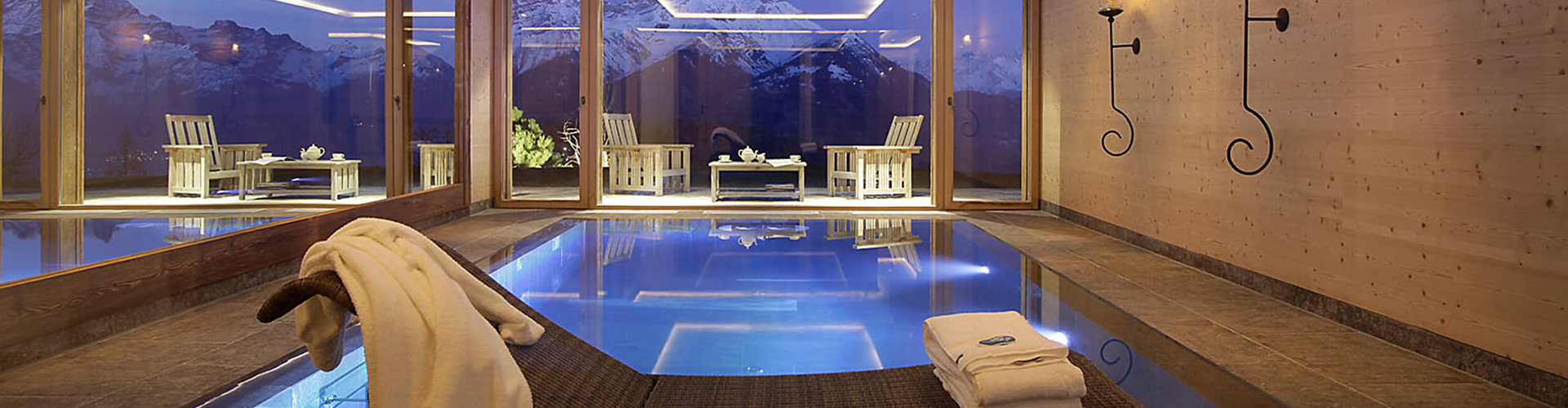
In conclusion, the demand for massage bathtubs in modern bathroom design reflects broader cultural trends prioritizing wellness, luxury, and aesthetics. By integrating features from reputable brands like {brandname}, homeowners can not only elevate their living space but also invest in their well-being. I encourage you to explore options that provide the spa-like experience you deserve. Transform your bathroom into your personal oasis today and witness the remarkable changes it brings—not just to your home, but to your lifestyle. For a visual representation, check out this Paris-spa.com/data/watermark/main/20250304/67c6c2f9b1ec8.jpg">image that exemplifies the elegant integration of a massage bathtub within a modern bathroom design.
Hot-Sale Prorudcts
Other News


How to Select Freestanding Tubs for Luxury Villas
Aug. 19, 2026

Is a Freestanding Tub Easy to Clean?
Jul. 31, 2026


Future Development of the Massage Bathtub Industry
May. 29, 2026


Certifications and Standards for Massage Bathtubs
May. 27, 2026


Hydrotherapy Benefits of a Massage Bathtub
May. 25, 2026

Smart Technology in New Massage Bathtubs
May. 22, 2026

Commercial vs Residential Massage Bathtub Buying Guide
May. 21, 2026


Massage Bathtub Solutions for Wellness Centers
May. 19, 2026

How to Select a Massage Bathtub for Small Bathrooms
May. 18, 2026